
Parul Gupta, Consultant at Avalon Consulting, shared her insights on “The Intelligent Energy Ecosystem: Where Digitalization Meets Power Generation,” submitted as part of Cordence Worldwide’s “The Insight Initiative” a global blog and position paper competition for young consultants in the YPN network.
She highlighted how the energy and utilities sector is rapidly shifting from manual, risk-prone operations to intelligent, digital-first systems powered by AI, predictive maintenance, digital twins, and smart grids. She highlights how these technologies enable real-time monitoring, enhance worker safety, minimize outages, and improve asset reliability, transforming traditional utilities into proactive, data-driven enterprises.
The Future of Energy and Utilities: Developing through Digitalization and Intelligent Systems
I remember working at a chemical plant that used batch processing to create high-value goods. Operators had to physically walk to enormous valves, operate them by hand, and watch as chemicals rushed through pipelines in those days (and I am talking about the year 2018). This approach wasn’t just slow, but it was also risky; one mistake may result in dangerous leaks, wastage of money, or even a major safety disaster. Manual checks were the main method of monitoring reaction parameters, which made it prone to a lot of errors.
I soon realized that incorporating digital technologies might greatly increase operational efficiency, speed, and safety. Rather than reacting after an issue had progressed, we can identify leaks before they occur and take prompt action with real-time monitoring and predictive maintenance.
My experience there underscored the need for a sector-wide transformation, far beyond the lessons of a single facility. It is not just the chemical manufacturing sector that is facing this crisis, the energy and utilities sector is also floating in the same boat.
From Manual Operations to Digital Transformation
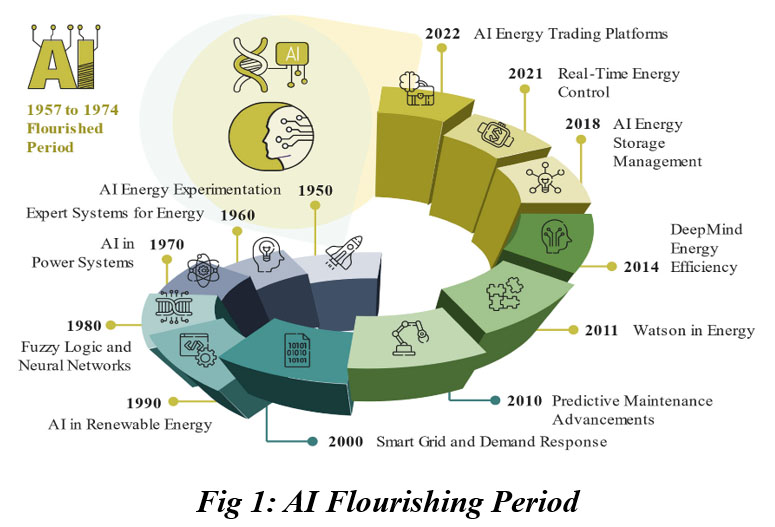
Paper records, manual controls, and reactive procedures were still used by utilities and energy suppliers ten years ago. Today, they face a very different set of pressures—customers demand transparency, speed, and reliability; systems have grown more complex; and environmental regulations are becoming stricter.
The use of digital twins, smart meters, connected sensors, and sophisticated control systems are some factors contributing to the change. Automating routine processes, capturing real-time data, and providing operators with unparalleled insights into system performance are all made possible by these technologies.
Smart grids can automatically reroute electricity to decrease downtime during outages. Predictive maintenance techniques could be used to catch a potential problem with the transformer or turbines long before they fail, this would avoid highly expensive malfunctions. Remote monitoring of digital substations improves worker safety by eliminating unnecessary site trips.
Beyond Gathering Data: Enabling Intelligent Decisions
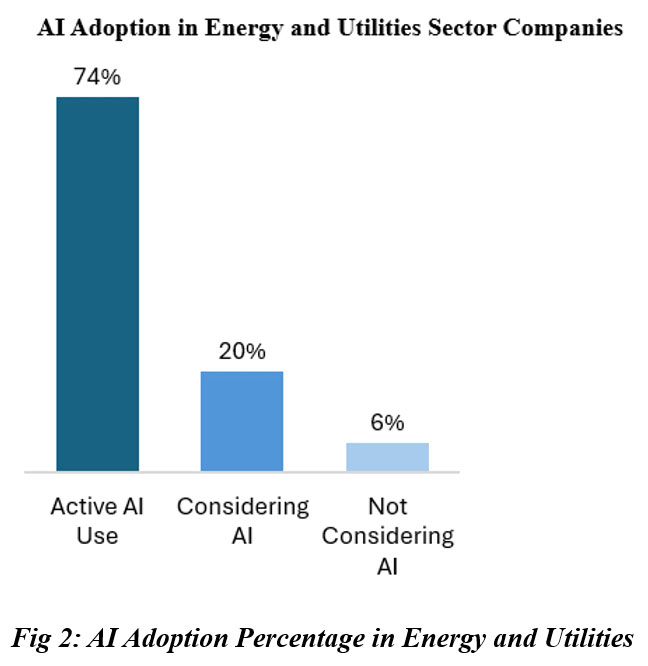
Data collection is just the beginning; intelligent systems turn these data into insights which in turn can be put to effective use. Analytics driven by AI can predict electricity consumption, identify energy theft, maximize the integration of renewable energy sources, and dynamically modify prices to match supply and demand.
One such example is load forecasting. Utilities can predict demand peaks and allocate resources appropriately by examining weather patterns, past usage, and present consumption trends. Similar to this, algorithms for predictive maintenance examine data from thousands of assets, identifying irregularities that human operators may easily miss.
The ability of the Swiss energy provider – IWB to match renewable generation with grid requirements was much enhanced when it switched from static solar output projections to models which got updated every 15 minutes.
Benefits for All Stakeholders
- Utilities: Saving money, reducing outages, and making the grid better and more resilient.
- Consumer: Customized tariffs, faster service, and lower bills through optimized energy use
- Governments & Regulators – Enhanced transparency, greater compliance; increased progress against climate directives
At the same time, digitalization enables new revenues such as peer-to-peer energy trading platforms or digital applications offering home energy audits and efficiency advice.
The Game-Changer: Digital Twins
A digital twin is a virtual carbon copy of a system or asset that mirrors its operational data in real time.
Digital twins in the energy industry use data from sensors, control systems, and equipment from the field to emulate power plants, grids, or renewable installations. This allows for improved planning and better preparedness when facing extreme weather, sudden increases in demand, or potential failures.
This is why we need faster control flows — even in grids with variable sources like wind and solar, this technology can improve the allocation of resources, reduce decision times, and minimise surprises.
Enabling the Green Energy Transition
The worldwide shift towards renewable energy sources makes digitalization even more important. Solar and wind are clean but intermittent, where the output varies with the weather. Smart platforms enable generation forecasting, storing excess energy, and releasing it during peak demand periods.
Germany provides an example: Electricity usage in the country is set to double by 2050 as cars and industry transition towards electricity. Across the country, smart homes that preset their usage will be joined by big storage optimization systems. Digital options will play a key role in meeting supply and demand.
Barriers to Full-Scale Adoption
There are obstacles in the way of mainstream digital transformation:
Cybersecurity Risks: As more devices are connected, there is a greater chance of vulnerabilities.
Legacy System Integration: It’s possible that older devices weren’t made with digital connectivity in mind.
Skill Gaps: To make the switch from manual to digital operations, workers require training.
Initial Investment: Before benefits are obtained, the expense of digital infrastructure must be justified.
Committed leadership, cooperation between utilities and technology providers, and regulatory policies that are supportive are all necessary to address these problems.
Scaling Beyond Pilots
Scaling digital solutions throughout the company yields the most benefits, yet many utilities only test them in small pilot programs. Interoperable platforms, cloud and edge computing expenditures, and flexible, cross-functional activities are necessary for that.
For instance, Octopus Energy manages millions of customers with no operational cost by utilizing cloud-based systems to reduce customer support response times by 40%.
The Cost of Delay
The power utility digitization market is projected to grow from about $50 billion in 2020 to close to $240 billion in 2028. Waiting further might prove costly in missing out on the competitor advantage, particularly as customer expectations keep evolving and new digital-first players recast the landscape.
Industry champions of digital adoption won’t only provide electricity—they will provide reliability, sustainability, and value-added services.
A Smarter Energy Future
In my days in the chemical sector, relying on manual checks and reactive measures was a standard practice. However, in today’s energy and utilities landscape, that approach is no longer viable. The complexity is greater, the risks higher, and the opportunities more substantial.
Digitization and intelligent systems convert raw data into insight. They enable the prediction of failure, optimization of assets, integration of renewables, and better results for customers and the environment.
The message to decision-makers is straightforward: this isn’t about replacing expertise—human expertise—it’s about enhancing it with system capability to process more quickly, learn more quickly, and take action more quickly than we individually can.
Energy’s future isn’t determined by how much we make, but by how efficiently we make it. And that future is already underway.

Parul Gupta
Parul Gupta is a Consultant at Avalon Consulting, with a focus on Consulting, Process Optimization, and New Product Development. She holds an MBA from the Xavier Institute of Management, Bhubaneswar, and brings experience across a range of sectors including Chemicals, and IT & Analytics Consulting. Her cross-industry background fuels her strong interest in applying technology-driven solutions to business challenges. Beyond her professional life, Parul enjoys playing football and basketball and has a deep appreciation for music